

CASE STUDY / CUSTOM PRODUCTION AUTOMATION
From 60 to 600 Pre-Rolls per Hour.
How a growing Oregon producer increased capacity with a purpose-built machine while retaining control of strain-specific finishing and production quality.
Figures are drawn from the original published Automation Solutions project account; performance and economics are specific to this application.
01 / THE CUSTOMER'S CHALLENGE
Growth Exposed a Production Bottleneck.
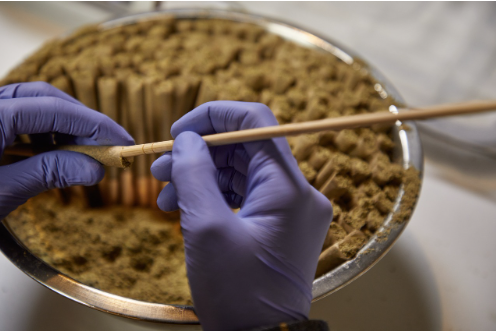
A family-owned Oregon producer had built demand for its carefully made pre-rolls. But the hand-rolling process depended on experienced people working at approximately 60 units per hour. Increased demand put pressure on production capacity.
The challenge went beyond speed. Different strains require different handling and finishing decisions. Scaling the process could not mean losing the attention to consistency that made the product successful.
- CapacityIncrease hourly output without simply multiplying repetitive labor.
- VariationAccount for strain-specific material characteristics during finishing.
- VisibilityGive operators useful process information rather than leaving production performance difficult to track.
02 / THE ENGINEERING DECISION
Build for Repeatability, Not Speed Alone.
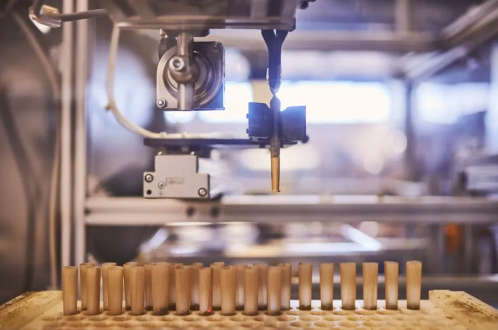
Automation Solutions developed a custom machine that connected production throughput with the measurements and controls needed to respond to differences in the product.
Increase Production Capacity
The automated process was developed around a published output of approximately 600 pre-rolls per hour, compared with approximately 60 per hour through the prior manual process.
Use Measurement in the Process
A laser-based system measures the contents and helps tailor the finishing operation to the characteristics of each strain. This supports more consistent results across different materials.
Make Performance Visible
An operator-facing panel provides production time, total pieces produced, and fill-height information so the team can follow what the machine is doing.
03 / CUSTOMER OUTCOME
More Output. Better Use of People's Time.
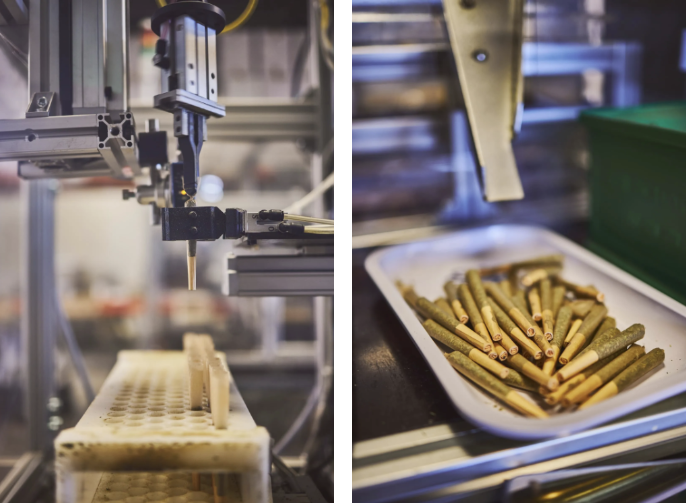
The project gave the producer a way to handle much higher demand without relying on a proportional increase in repetitive hand-rolling work.
According to the original project account, first-year labor savings exceeded $500,000. That created room to redirect resources while preserving the production characteristics that mattered to the customer.
The important result was not simply a faster machine. The customer gained production capacity, process-specific control, and clearer production information in one coordinated solution.
04 / NEXT STEP
What Are You Trying to Make Work?
Facing a production bottleneck, difficult integration, or a process that needs a better machine? Tell us about the equipment and the outcome you're working toward. We can discuss the requirements and whether a technical assessment or defined project makes sense.
See More Engineering Case Studies